

Classic Car Detailing 101 training course.
Why classic cars need a different approach
Older vehicles present a set of challenges that standard detailing training rarely addresses in depth. Paint may be single-stage rather than clear-coated, meaning the correction process is fundamentally different.
Bare metal, chrome, brightwork, and wire wheels all require specific chemical knowledge and technique. Engine bays on classics often combine materials — rubber, bare metal, painted surfaces, brass, aluminium — that react differently to the same product.
Another consideration is that older paint is frequently thinner, harder, or more fragile than modern equivalents, with less tolerance for aggressive technique. We focus on preservation as the primary factor, extending originality – rather than perfection at any cost.
This course addresses all of it, using a classic vehicle as the training canvas throughout.
What the day covers
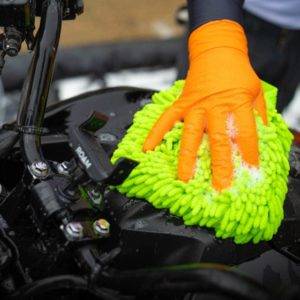
You’ll work through vehicle assessment with a focus on classic-specific paint reading, washing and decontamination using low-water and less invasive methods suited to older finishes, pre-wash and snow foam application, and chemical and clay decontamination adapted to paint type. Wheel cleaning covers alloy, steel, and wire wheels with appropriate techniques for each.
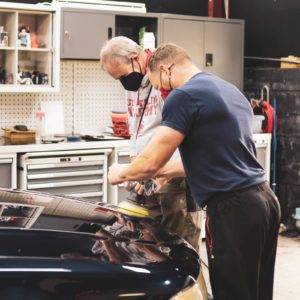
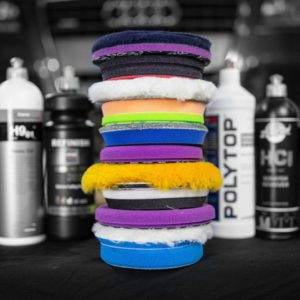
Paintwork inspection using lighting, depth gauges, and visual cues is covered with particular attention to identifying paint type — single-stage versus two-stage — before moving into mild paint correction, machine polishing, and the pad and compound combinations that work safely on older paint.
Leather, vinyl, and plastics care is included, as is engine bay cleaning and steaming with suitable chemistry for brightwork and bare metal surfaces. The day closes with protection selection and application, matched to the specific paint type and condition of the vehicle worked on.
After the course
There’s no assessment — this is a practical enthusiast day, not a qualification course. You’ll leave with the technique and knowledge to apply everything covered to your own vehicle, with ongoing support available as questions come up.
Any questions about the course or whether it suits your vehicle? Get in touch and we’ll be happy to help.