


Enhance your team’s skills for high-quality results that your customers will love.
What Stage 2 covers
Stage 2 builds directly on the foundation of Stage 1, taking your team into more advanced territory. Where Stage 1 established safe, consistent, efficient valeting practice, Stage 2 adds the skills to prepare surfaces properly and correct minor defects — bringing machine polishing and correction capability in-house.
The day covers advanced chemical and decontamination knowledge, pre-polishing preparation including clay bar use and mechanical decontamination, machine polishing technique and associated health and safety requirements, interior deep cleaning and odour removal, and stone chip and small-area scratch refinement.
The value of completing both stages
Together, Stage 1 and Stage 2 give your team the full range of skills needed to handle virtually any standard valeting requirement — from routine wash and preparation through to enhancement polishing and minor correction. Staff who hold both certifications can take on more complex work with confidence, reducing outsourcing costs and improving the quality and consistency of your vehicle presentation.
A note on prerequisites
Stage 1 must be completed before attending Stage 2, though the two can be booked on consecutive days. If you’re looking to cover both at once, see the Complete Course option. If you feel your employees need only the machine polishing aspects, look at our Foundation or Advanced Machine Polishing courses.
Certification & tax
Every attendee receives a UKDA-accredited certificate in Stage 2 Valeting for Business. As a Government Registered Learning Provider, our qualifications carry recognised standing. HMRC typically treats vocational training as a legitimate business expense, meaning course costs can usually be offset against company taxes — and a full VAT invoice is provided for reclamation.
Course Modules include:
- Health and safety discussion and a run-through of vital inspections and checks prior to work.
- Advanced chemical and decontamination skills and knowledge.
- Pre-polishing preparation – clay bars, solvent cleaners and mechanical decontamination.
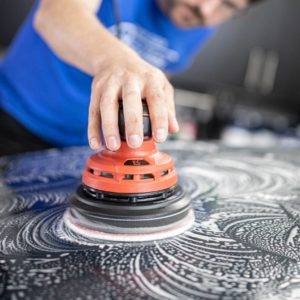
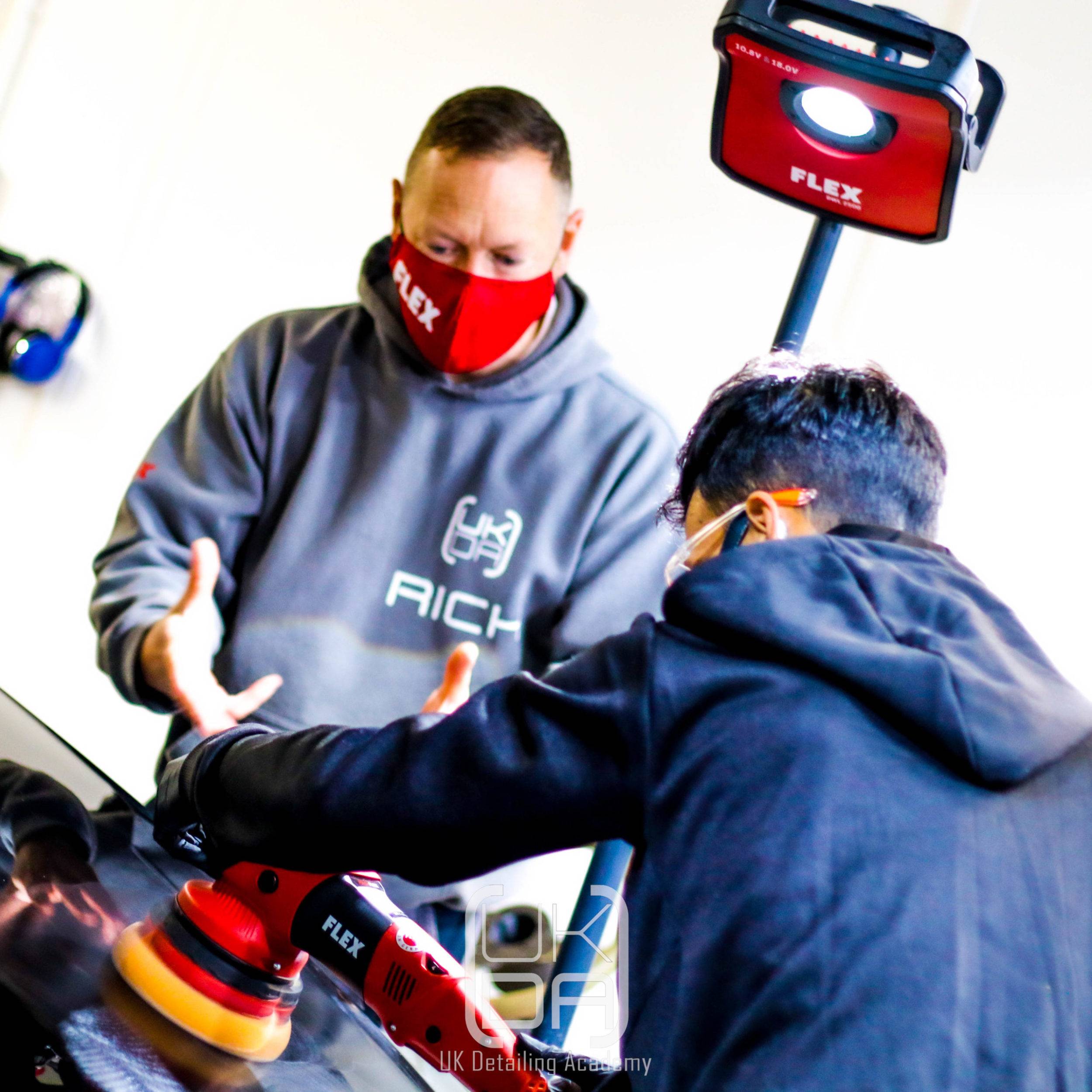
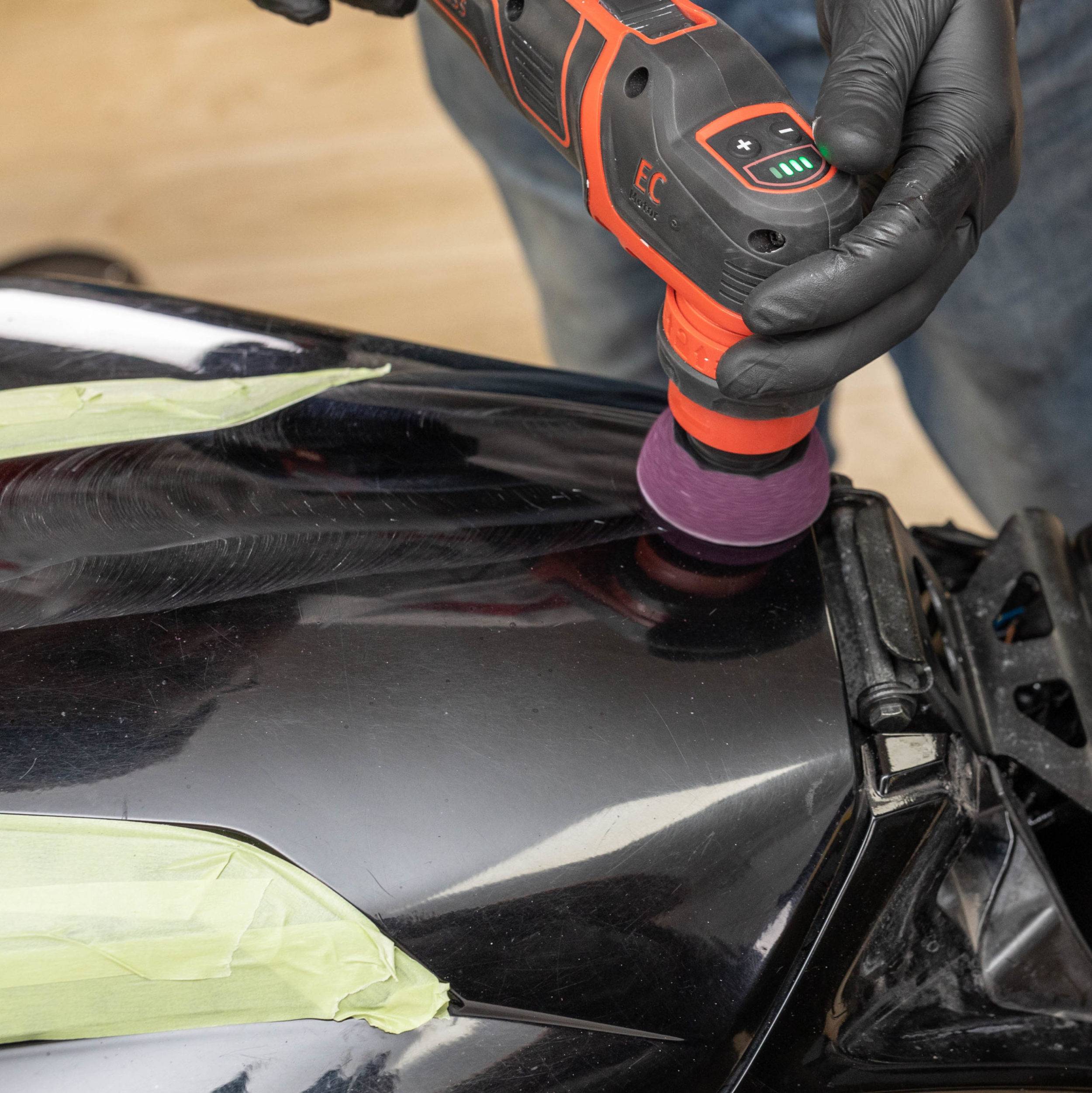
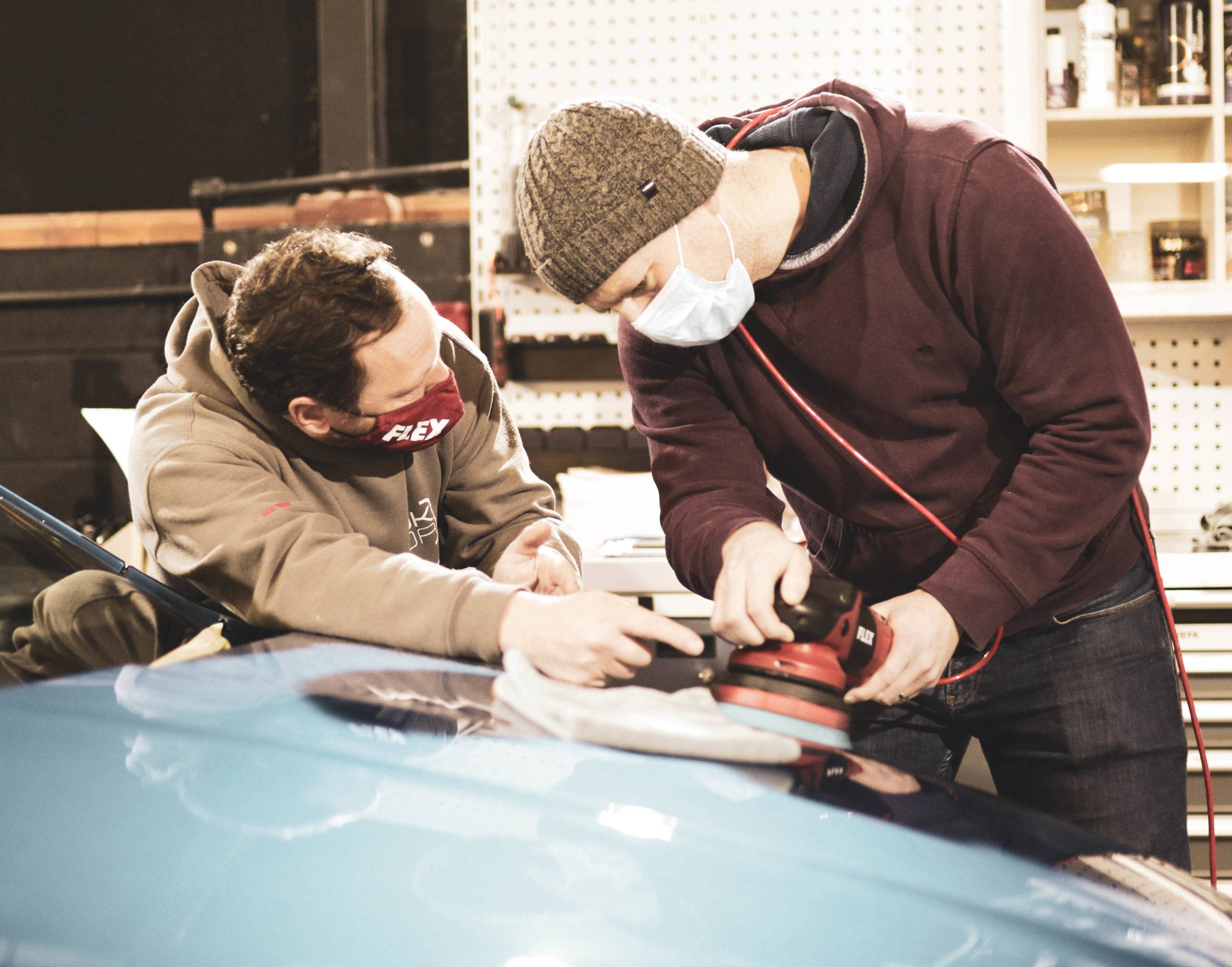
- Machine polishing skills, and the health and safety requirements for their usage.
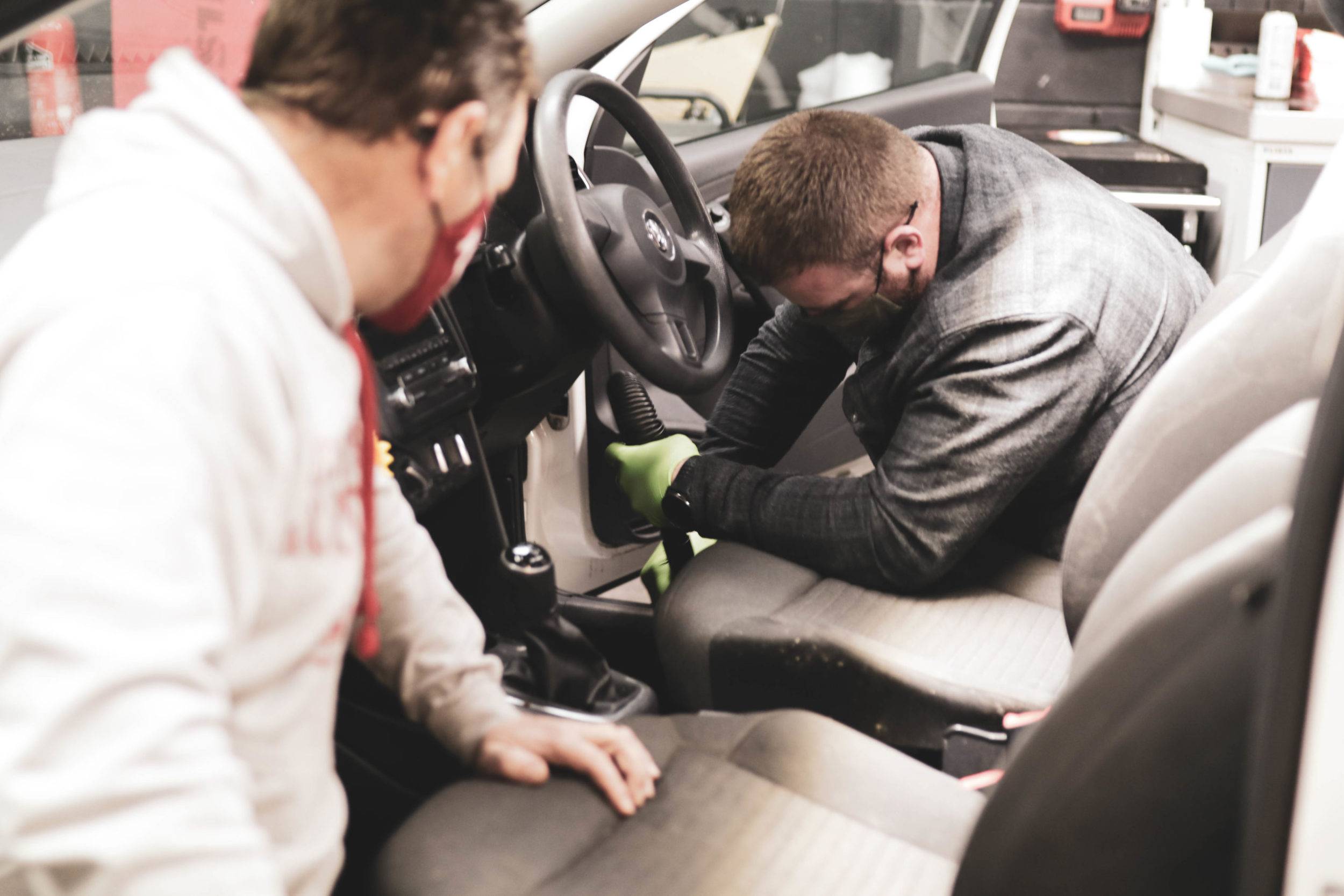
- Interior odour removal and deep cleaning techniques.
- Stone chip and small area scratch removal and refinement.